Why This Matters to You
Heart disease can feel inevitable. It isn't. The idea that a heart attack strikes "out of nowhere" is one of the most disproven claims in modern cardiology: some of the most compelling evidence in cardiovascular medicine shows that the vast majority of heart attacks and coronary events are linked to a relatively small number of identifiable, modifiable risk factors, not fate, and not genes alone.[32] And this isn't based on one study, one population, or one country. Three landmark studies (two enormous Harvard cohorts of women and men, and the international INTERHEART study spanning 52 countries) arrive at the same message from completely different directions. This is the population statistic that gives 3 Billion Beats Nation its name.
The Harvard Nurses' Health Study: 83% Lower Risk in Women
In 2000, Harvard researchers analyzed 84,129 women in the Nurses' Health Study who were free of diagnosed cardiovascular disease, cancer, and diabetes at baseline. Over 14 years of follow-up they documented 1,128 major coronary events, and they scored every woman on five low-risk lifestyle factors: not smoking, a BMI below 25, at least 30 minutes of moderate-to-vigorous activity a day, a healthful diet, and moderate alcohol consumption. Women who met all five criteria had a relative risk of just 0.17 compared with women who met none, an approximately 83% lower risk of major coronary events.[30]
The researchers estimated that 82% of coronary events in this population could potentially have been prevented had all women been in the low-risk category, assuming the observed associations were causal. And none of it required extreme diets or marathon training. It was the basics: don't smoke, move your body, eat well, maintain a healthy weight, drink moderately. Stampfer MJ et al., NEJM, 2000[30]
The Health Professionals Follow-up Study: 87% Lower Risk in Men
The same question was then examined in men through Harvard's Health Professionals Follow-up Study, an ongoing cohort begun in 1986 with more than 51,000 male health professionals, designed specifically to complement the Nurses' Health Study. Researchers followed 42,847 men who were free of cardiovascular disease, diabetes, and cancer at baseline, evaluated the same five lifestyle factors, and documented 2,183 coronary heart disease events over 16 years. The results were strikingly similar: men who met all five low-risk criteria had a relative risk of only 0.13 (an 87% lower risk of coronary heart disease), and an estimated 62% of coronary events could potentially have been prevented through better adherence to those five practices.[33]
The benefit wasn't limited to men off medication. Among men already taking drugs for hypertension or high cholesterol, an estimated 57% of coronary events could still have been prevented with a low-risk lifestyle. Medications and lifestyle aren't competing strategies. The healthiest approach is often both: identify the underlying risk, use medication when appropriate, and address the drivers beneath it. Chiuve SE et al., Circulation, 2006[33]
Then Came INTERHEART: The Global Picture
The Harvard cohorts were powerful, but they largely involved U.S. health professionals. So what happens when you look across the world? The INTERHEART study, published in The Lancet in 2004, examined 15,152 people who had just experienced a first myocardial infarction and 14,820 controls across 52 countries, and identified nine potentially modifiable factors: abnormal blood lipids, smoking, hypertension, diabetes, abdominal obesity, psychosocial factors, low fruit and vegetable intake, physical inactivity, and alcohol.[29]
The INTERHEART study examined 29,972 people across 52 countries and 5 continents. Just nine modifiable risk factors accounted for ~90% of the population-attributable risk of a first heart attack (90% in men, 94% in women), consistent across every region, age, and sex. Yusuf S et al., The Lancet, 2004[29]
This is where the often-quoted "90% of heart attacks are preventable" statistic comes from, and the fine print matters. Technically, INTERHEART showed that approximately 90–94% of the population-attributable risk of a first heart attack was associated with these nine factors. That doesn't mean exactly 90% of individual heart attacks can be guaranteed to be prevented. It means that, at the population level, the overwhelming majority of heart-attack risk was statistically attributable to factors that can be identified and changed. That's an important distinction, and an incredibly powerful finding.
Three Studies. One Consistent Message.
Different populations, different study designs, different geographic settings, and the conclusions point in the same direction. In women: ~83% lower individual risk of major coronary events. In men: ~87% lower individual risk of coronary heart disease. Across 52 countries: ~90–94% of population-attributable risk tied to modifiable factors. Most heart attacks are not random events. They emerge from the cumulative effects of smoking, metabolic dysfunction, blood pressure, abnormal lipids, visceral adiposity, physical inactivity, diet, and the other drivers above. Genetics matter. Age matters. Family history matters. But they are not the whole story: even a high inherited risk is not a sentence.
Among people in the highest tier of genetic risk, a favorable lifestyle was associated with a ~46% lower relative risk of coronary events, dropping the standardized 10-year event rate from 10.7% to 5.1%. Genes load the gun; the modifiable factors decide whether it fires. Khera AV et al., NEJM, 2016[31]
All of which means there is an enormous window for prevention. You don't have to wait until your arteries are severely narrowed. You don't have to wait until you have chest pain. You don't have to wait until conventional risk factors become dramatically abnormal, and you certainly don't have to wait for a first heart attack. The opportunity is to identify risk early, understand what is driving it, and address it before disease ever becomes an emergency. That's the difference between reactive cardiovascular care and proactive cardiovascular prevention.
The Conventional View, and the Layer Beneath It
This is where traditional and functional medicine meet. Conventional epidemiology proved that ~90% of population-level risk is attributable to nine countable risk factors. Functional medicine explains why, and gives you the earlier, measurable, actionable levers, often decades before symptoms appear. Standard care assesses a heart attack the way our sister topic The Full Picture describes: roughly 9 variables in a risk calculator. The functional lens evaluates 30+, because underneath each conventional risk factor sits a deeper root-cause driver you can actually measure and move.
None of this is anti-traditional. The science available to prevent heart disease has simply outpaced standard clinical practice. The nine INTERHEART factors are real and they matter, but they are the surface. Here is how the two views stack together, the conventional risk factor on top, the functional root cause you can measure beneath it:
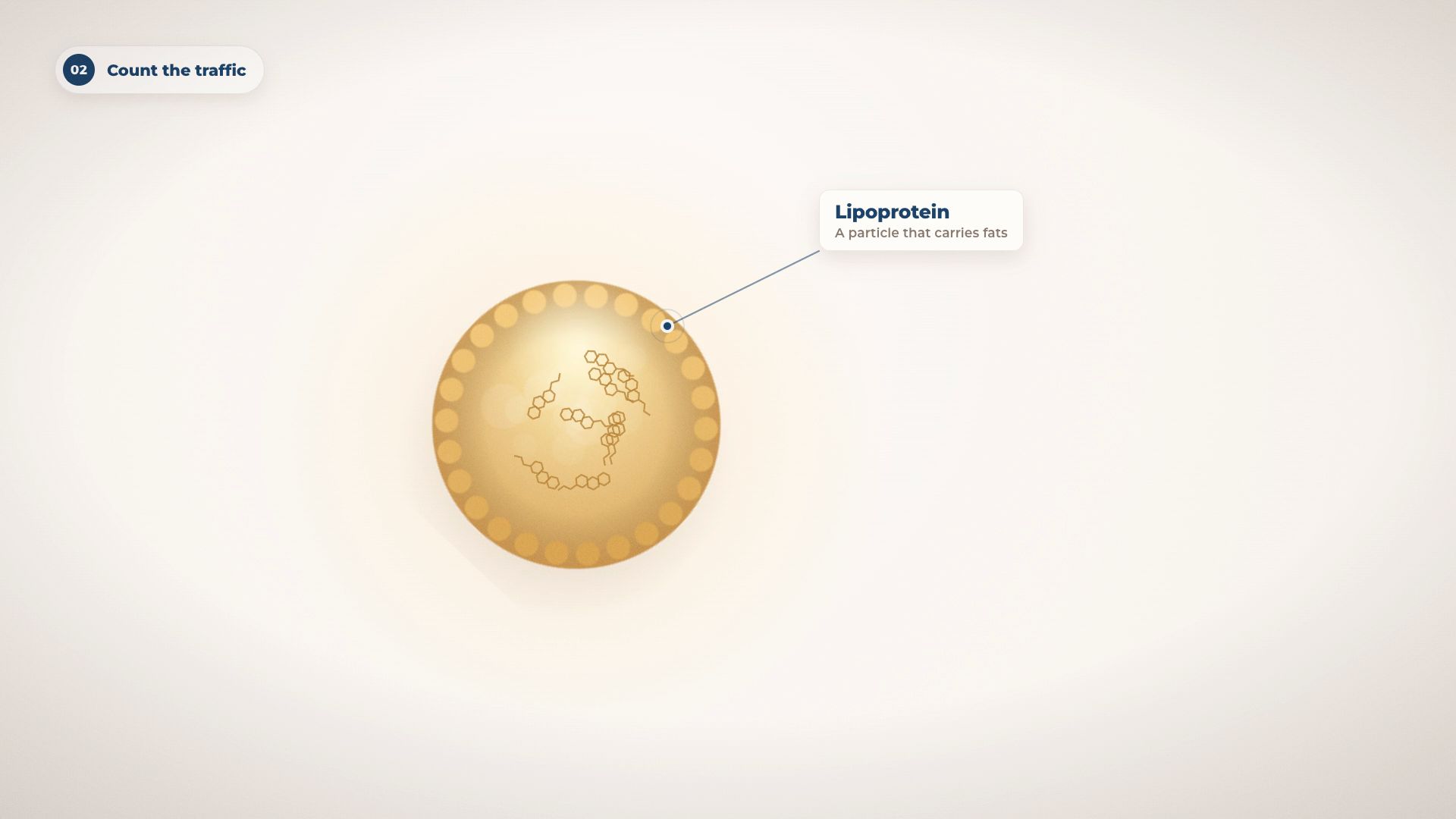
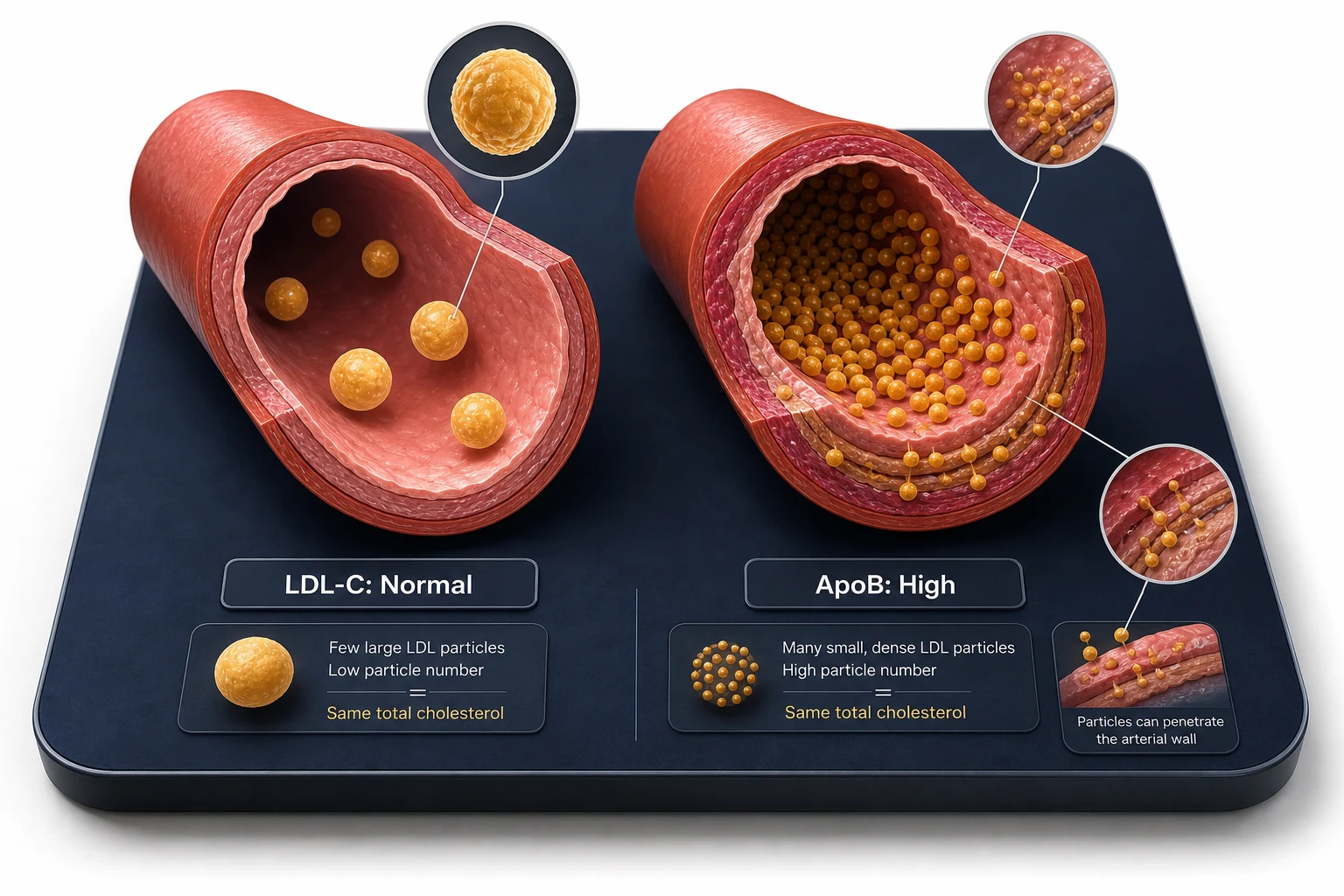
Cholesterol → Particle Biology
Conventionalblood lipids / cholesterol
- Root causes beneath
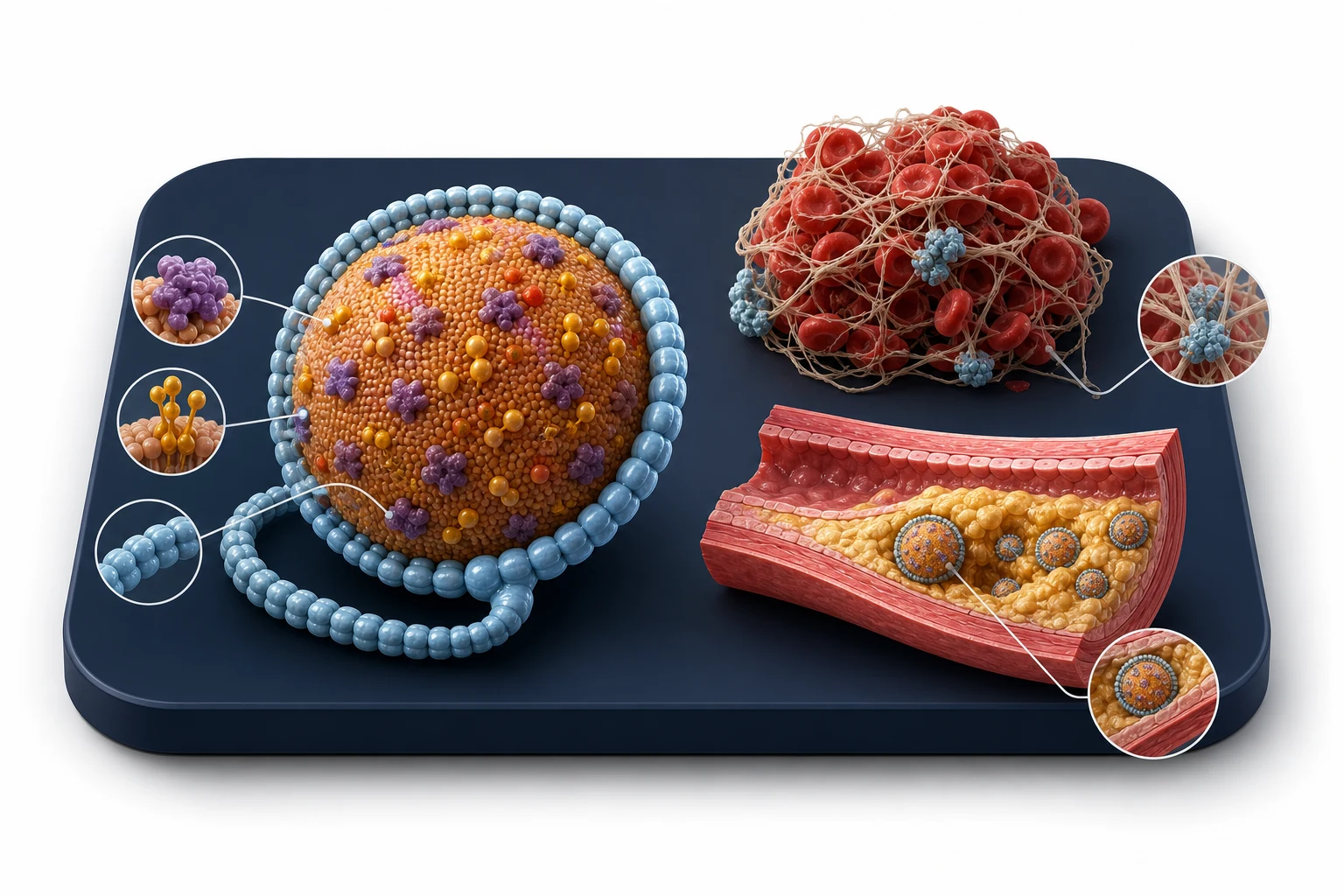
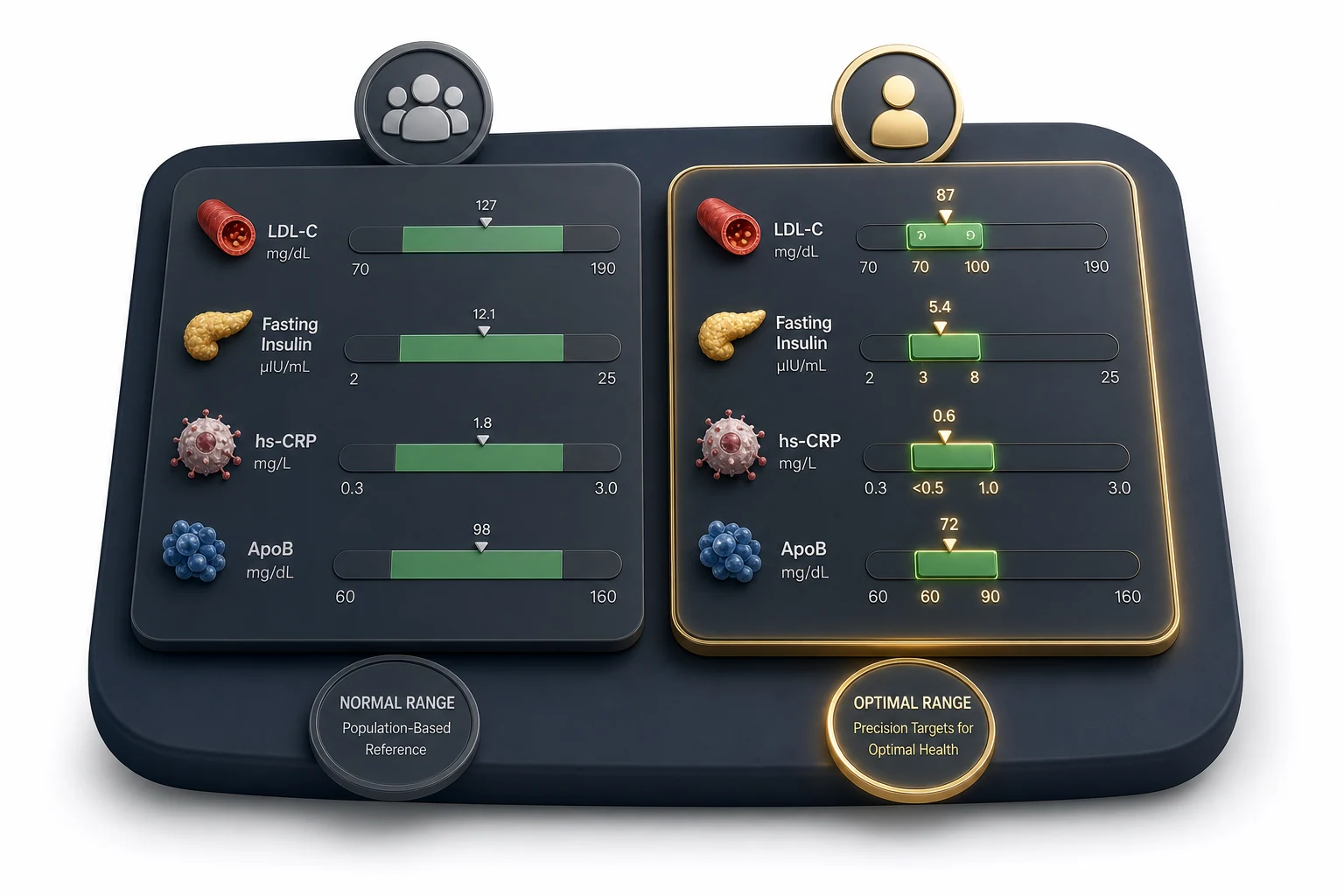
- ApoB particle count (not just LDL-C)
- Lipoprotein(a): inherited, in 1 in 5
- oxidized LDL & discordant panels
Diabetes & Obesity → Insulin Resistance
Conventionaldiabetes, abdominal obesity, hypertension
- Root causes beneath
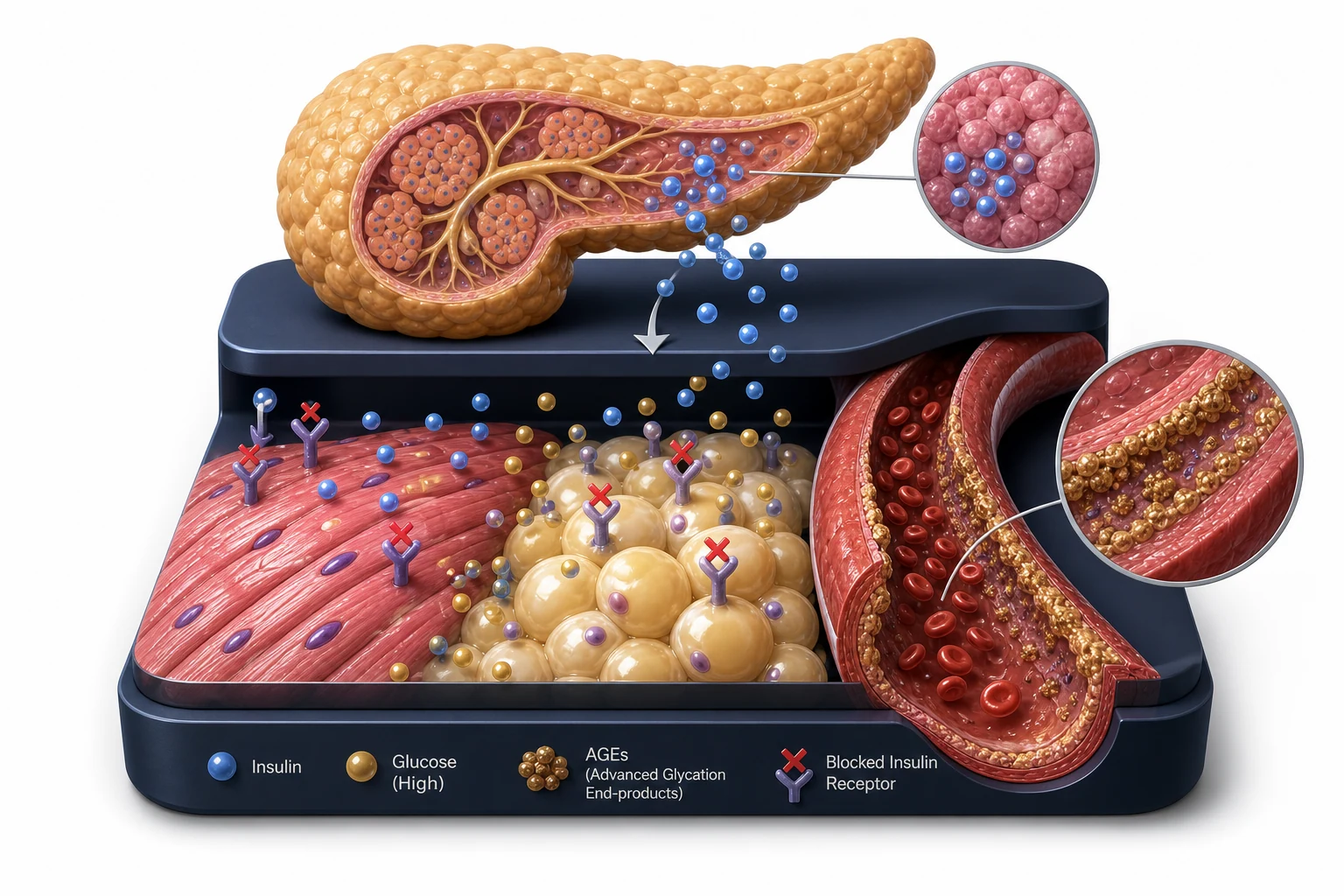
- insulin resistance & hyperinsulinemia, upstream of diabetes
- visceral fat & fatty liver (MASLD)
- atherogenic dyslipidemia (small dense LDL)
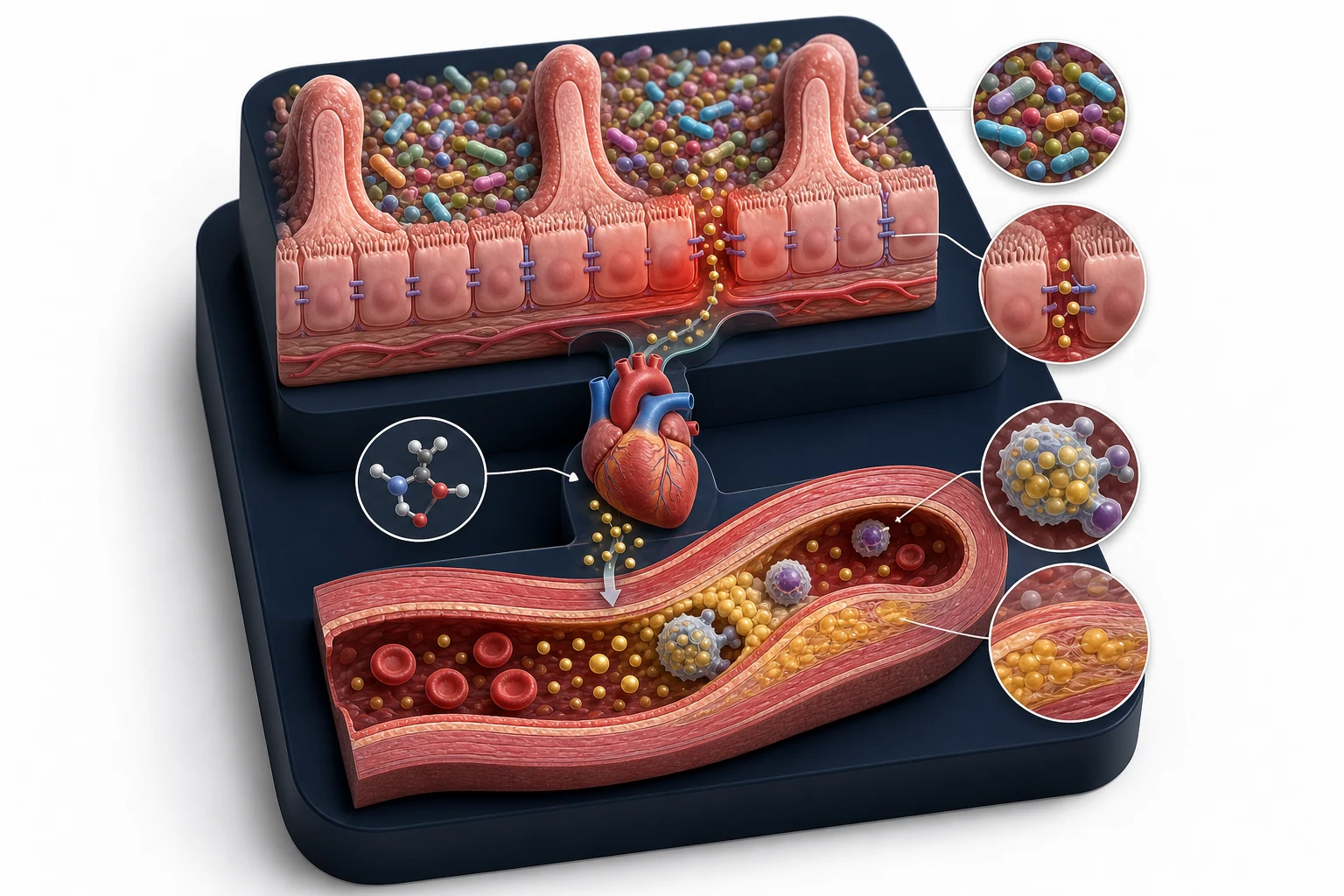
The Vessel Wall → Inflammation
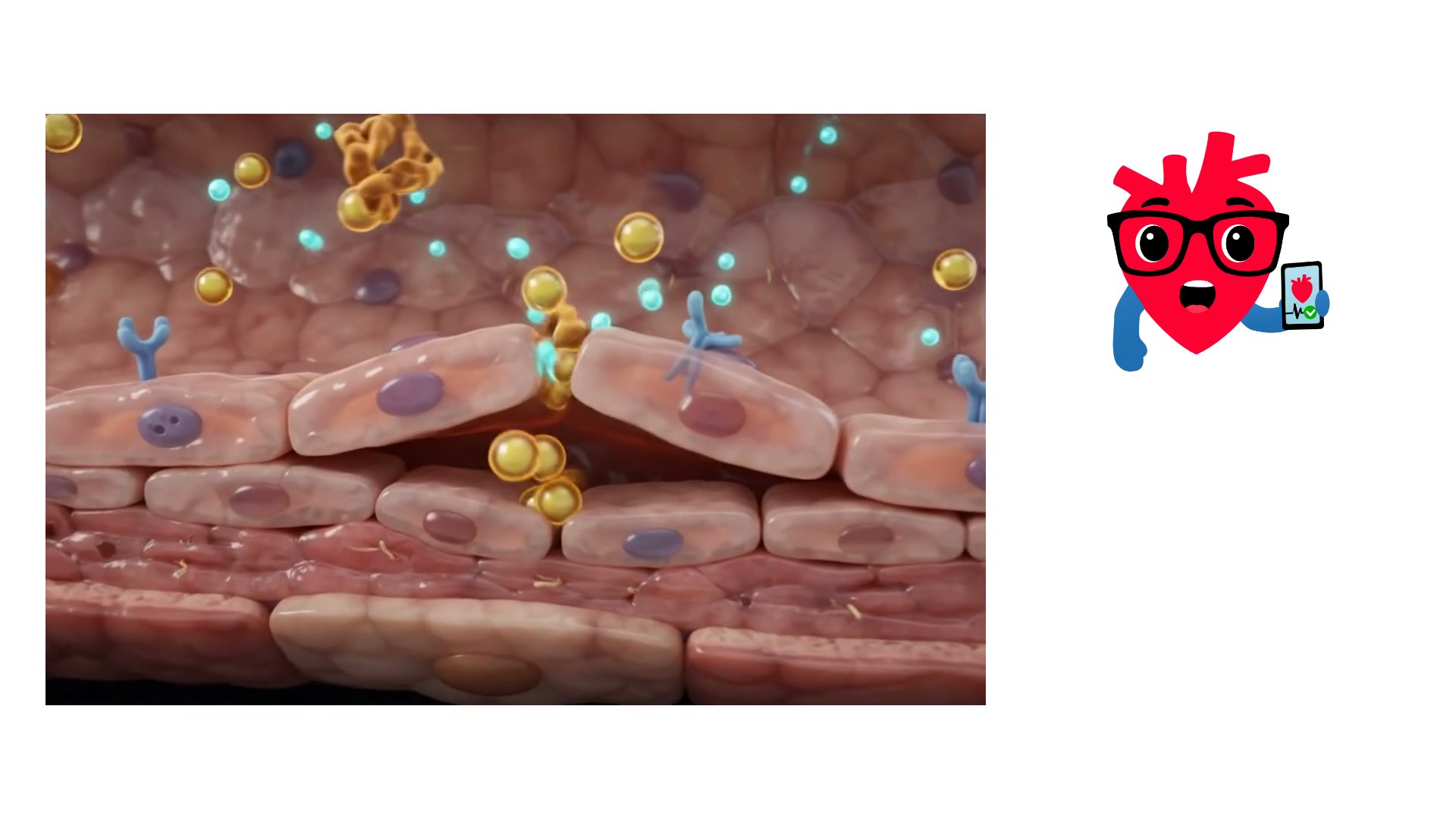
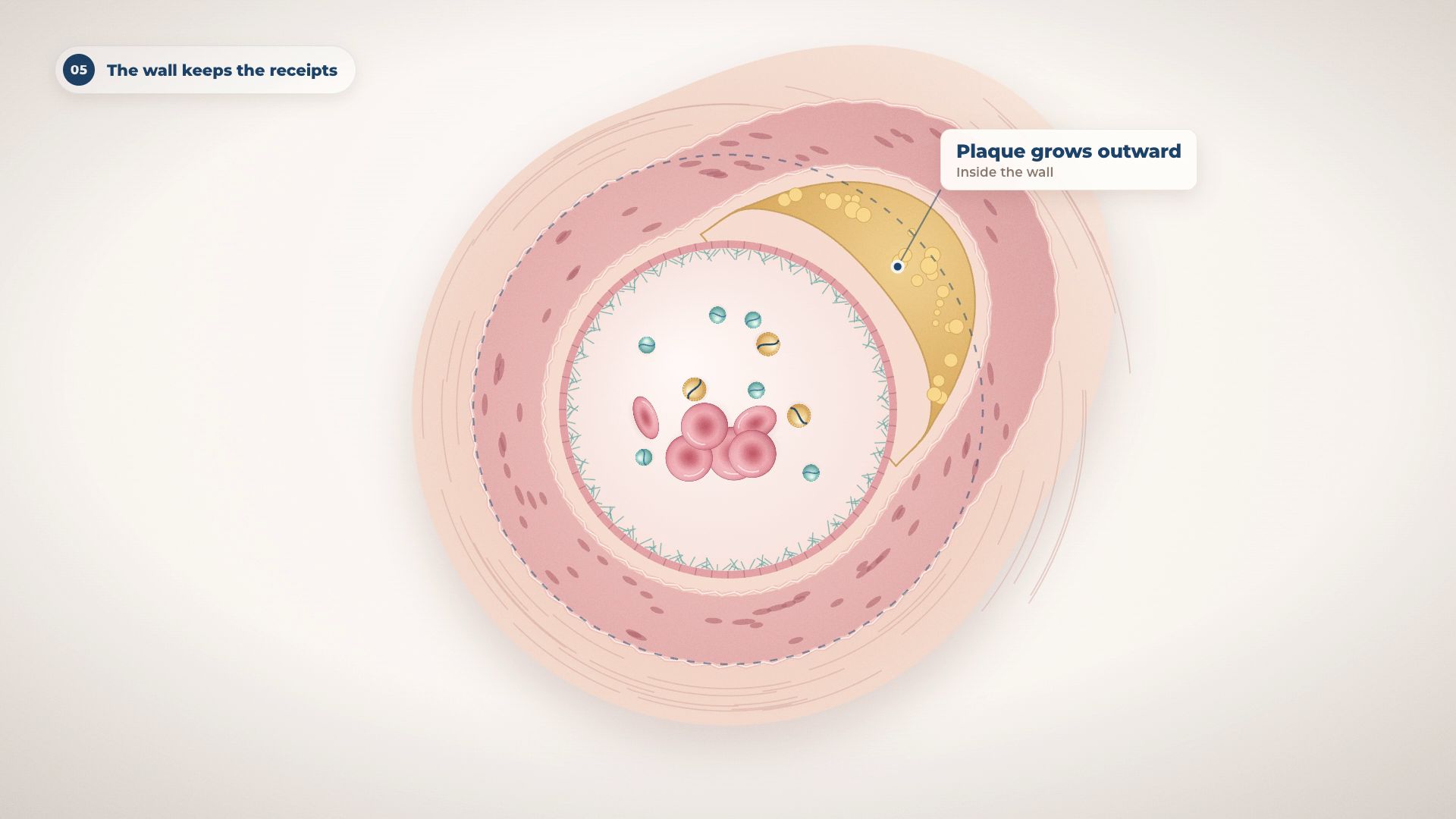
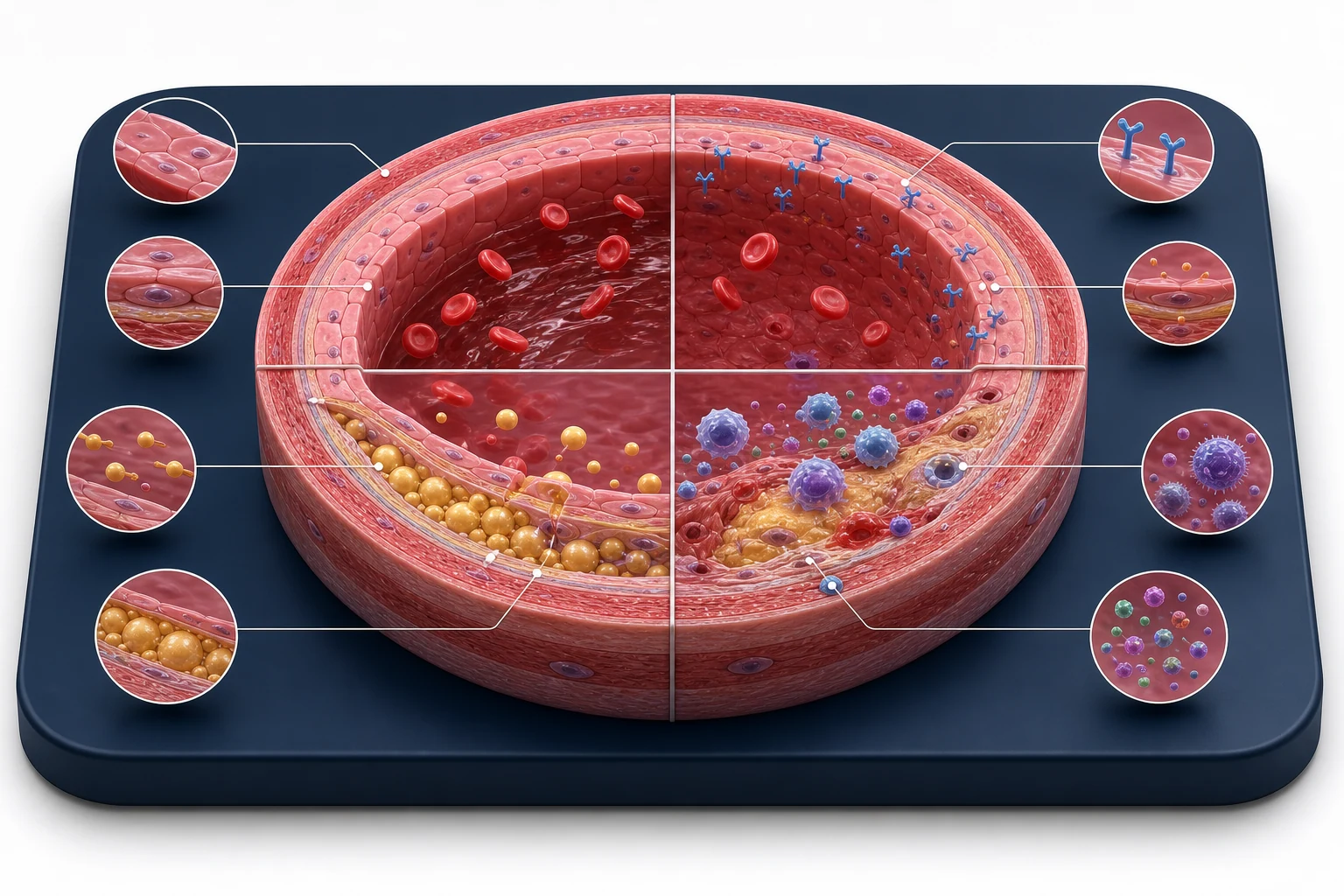
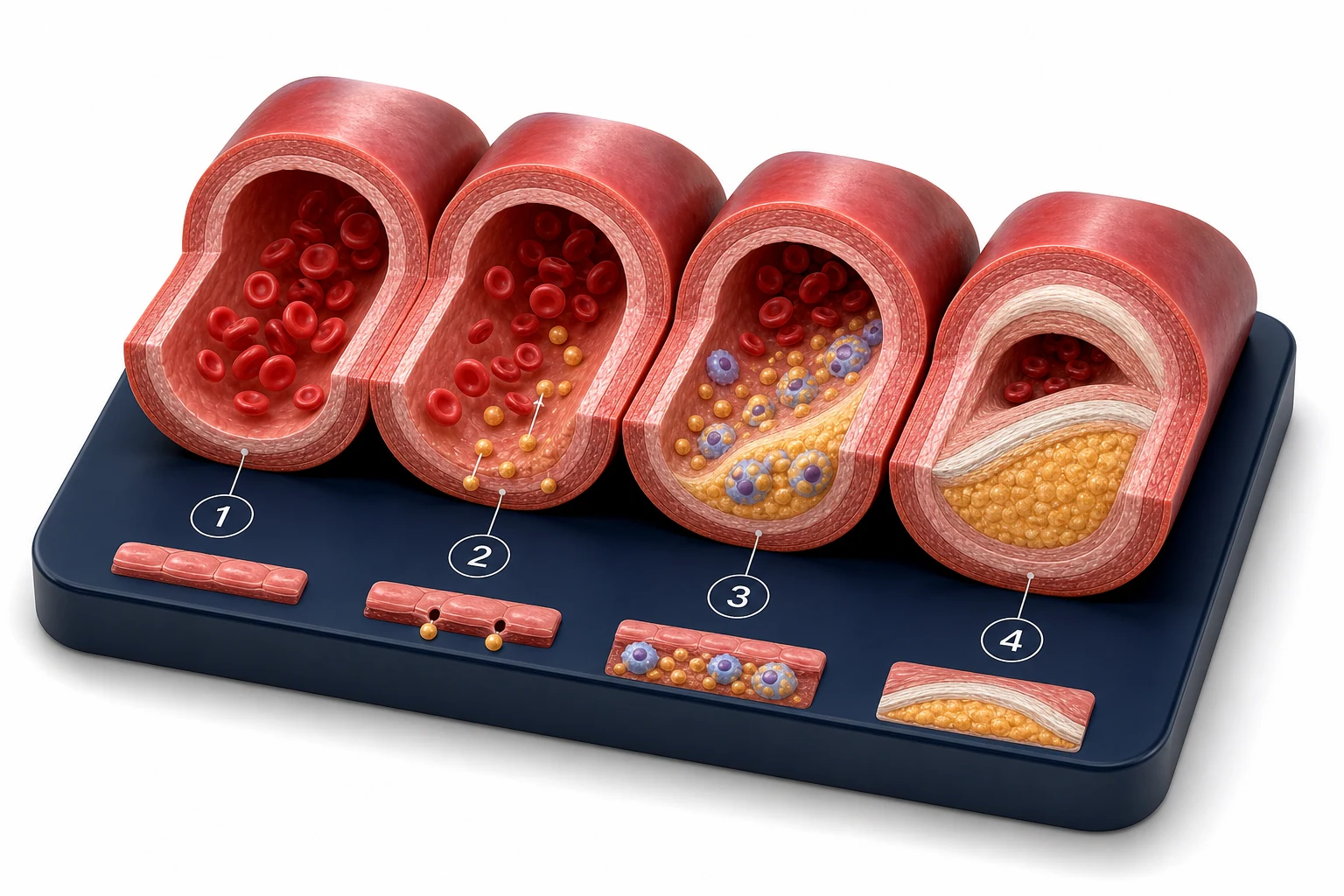
Conventionalthe artery "clogs" over time
- Root causes beneath
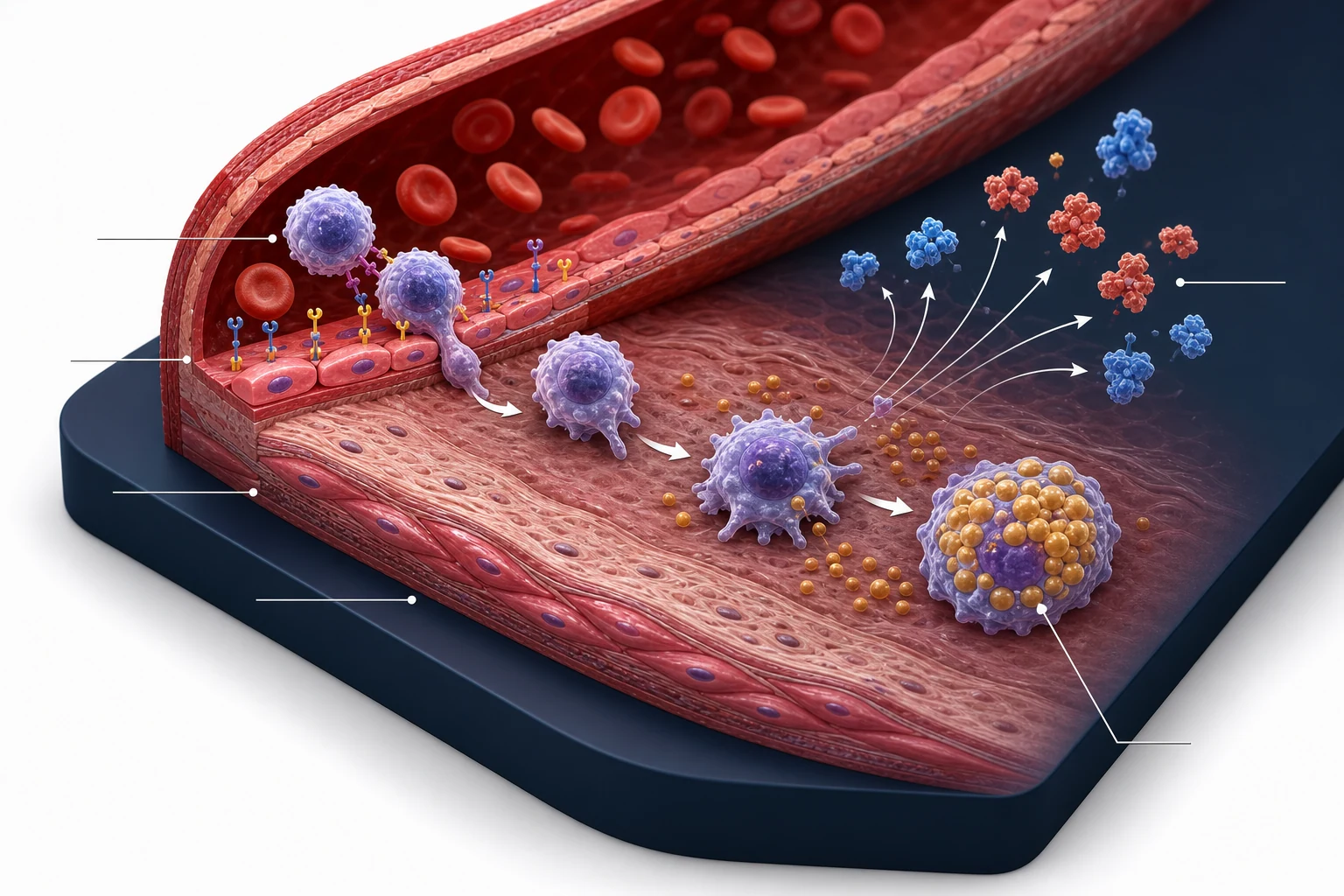
- chronic systemic inflammation (hs-CRP, IL-6)
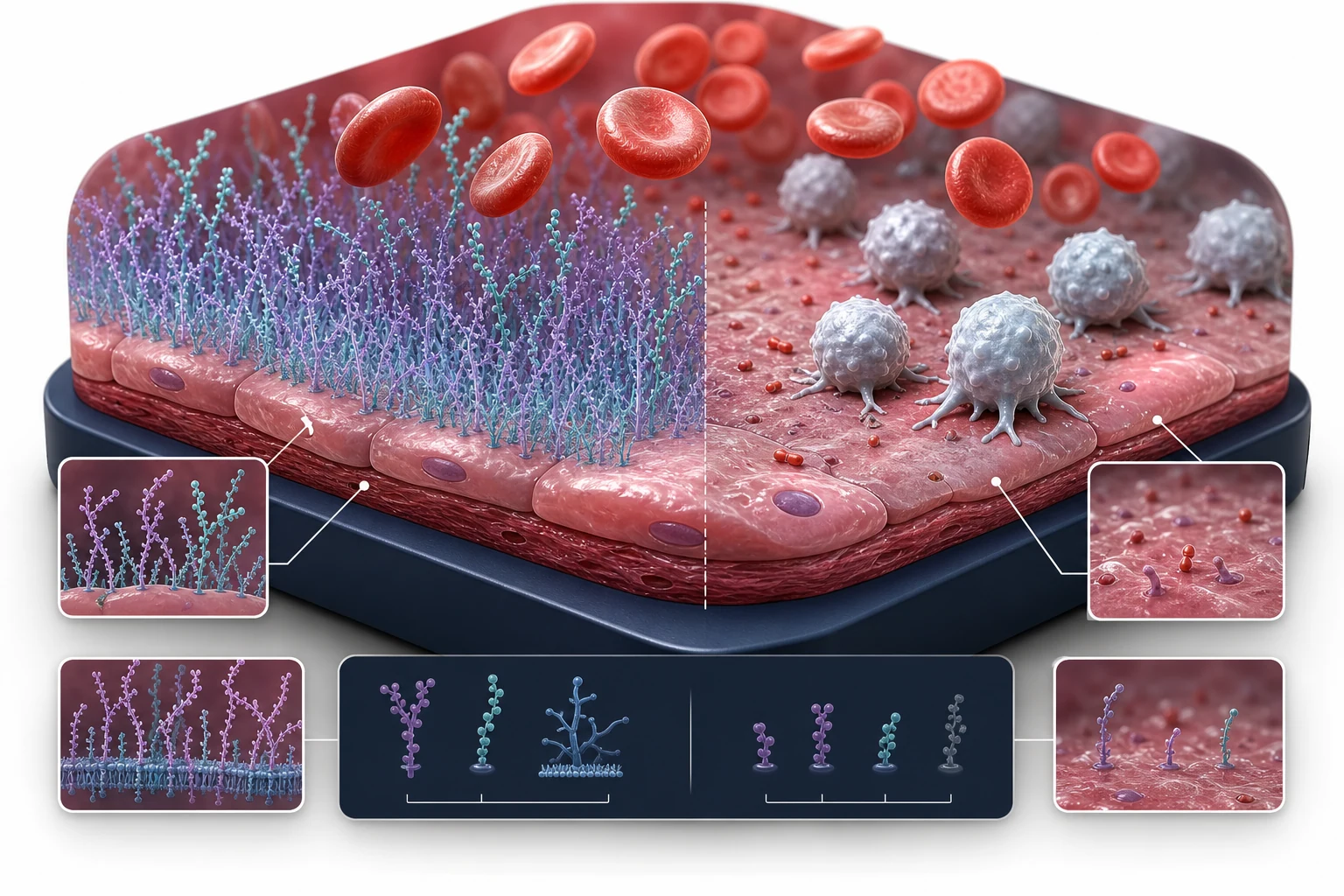
- oxidative stress, glycocalyx & endothelial damage
- gut-heart axis (TMAO), chronic infections
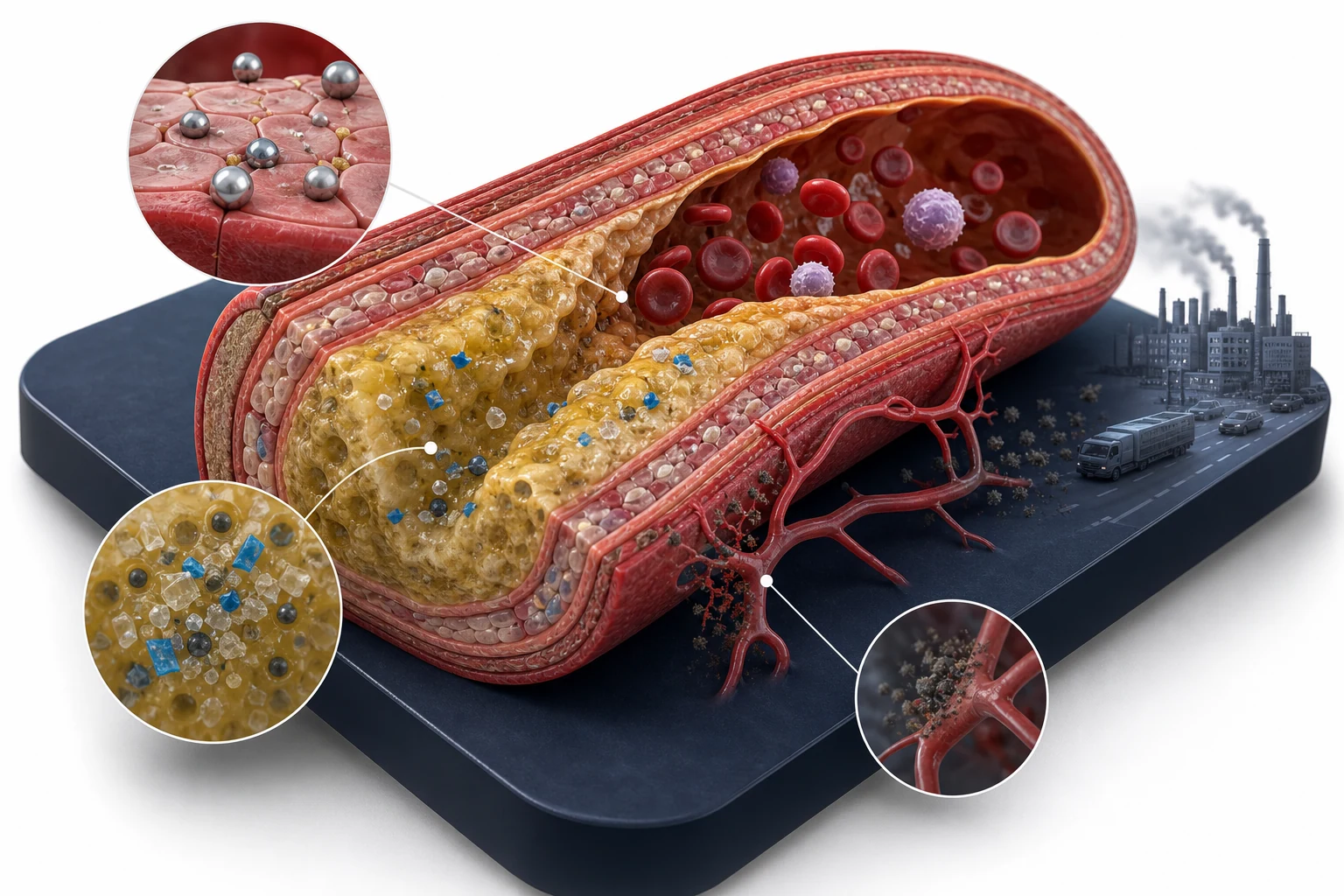
Behavior & Environment → Physiology
Conventionalsmoking, diet, activity, alcohol, psychosocial stress
- Root causes beneath
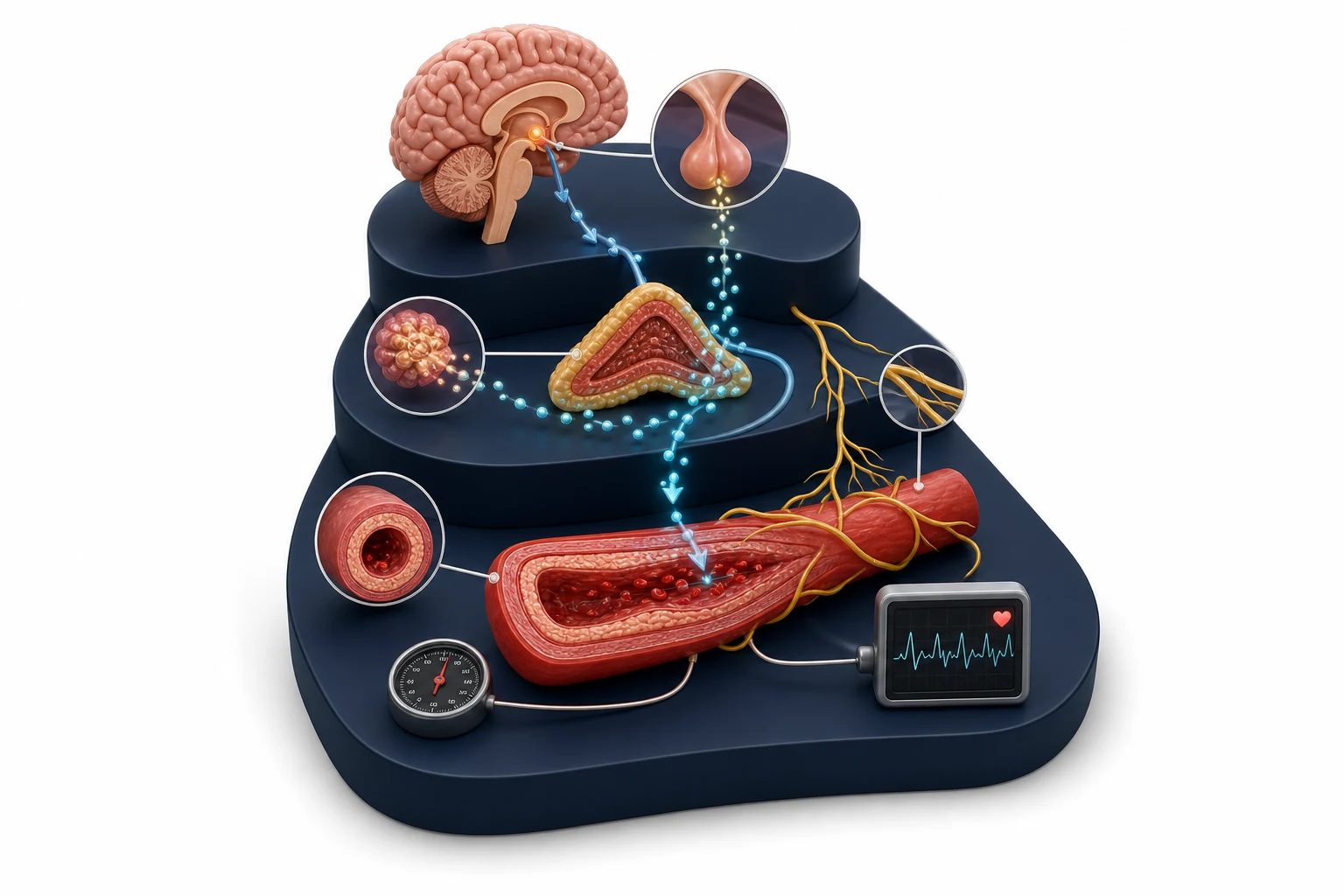
- HPA-axis stress physiology & cortisol
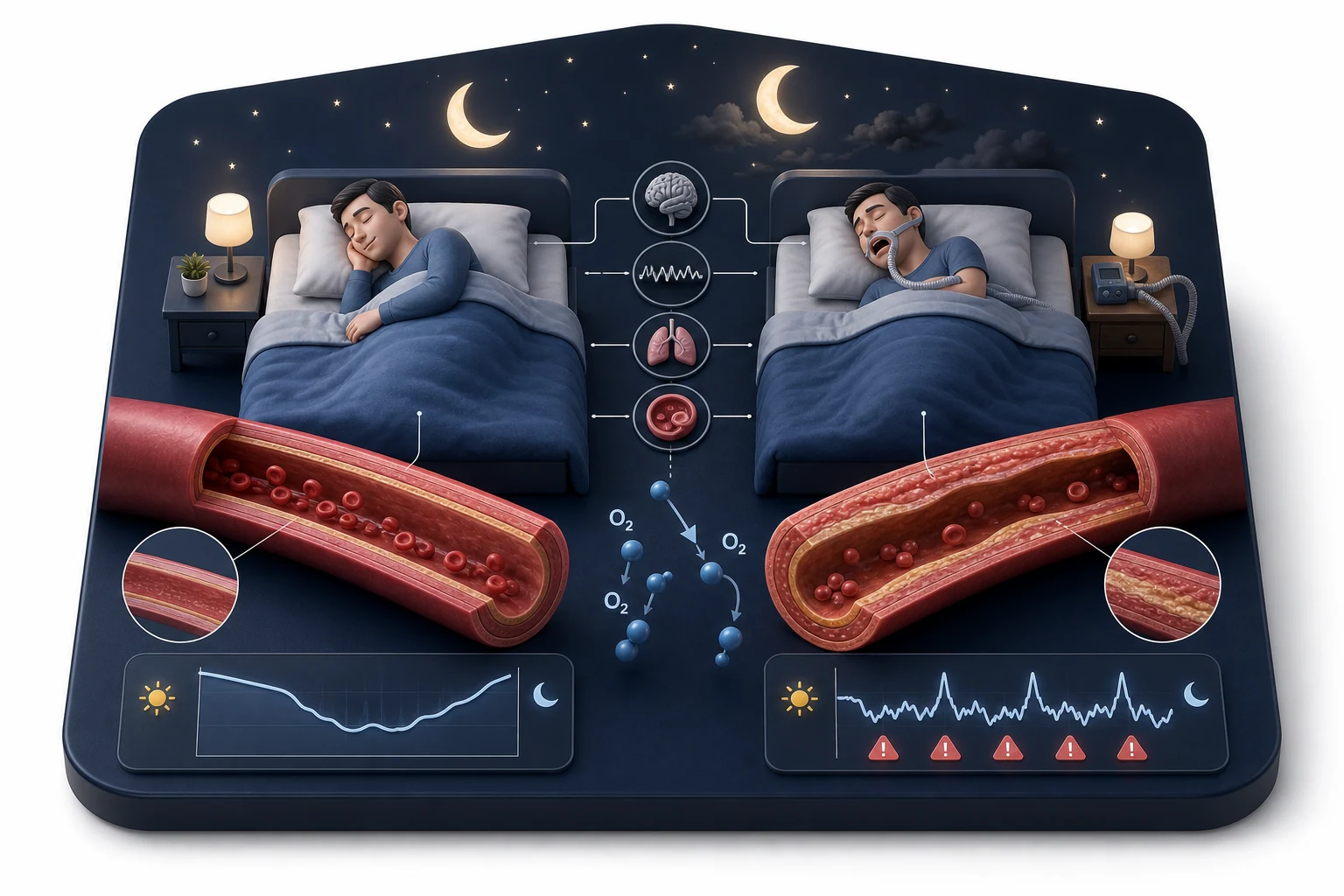
- sleep quality & circadian rhythm
- environmental exposures (metals, air, microplastics)
Standard care checks ~9 variables. Our framework evaluates 30+. ~90% of first heart attacks are attributable to factors you can identify and modify, but the tragedy is that those drivers usually go unmeasured until the event. That gap between "preventable in theory" and "prevented in practice" is precisely why 3 Billion Beats exists.
The goal isn't perfection: it's prevention. Biology is probabilistic, and no program can promise to prevent an individual heart attack. But most of this risk lives in factors that are knowable early and changeable. Know your risk. Find the drivers: lipids and ApoB, insulin resistance, inflammation, blood pressure, and the lifestyle physiology beneath them. Address them early, years before they ever show up as a symptom, and give yourself the best possible chance of preventing the event in the first place. This is what supports your conversation with your physician, rather than replacing it. You are the CEO of your health.
ApoB / ApoB:ApoA1
Lp(a)
Fasting Insulin / HOMA-IR
HbA1c
hs-CRP
Blood Pressure
Waist-to-Hip Ratio